Political Science
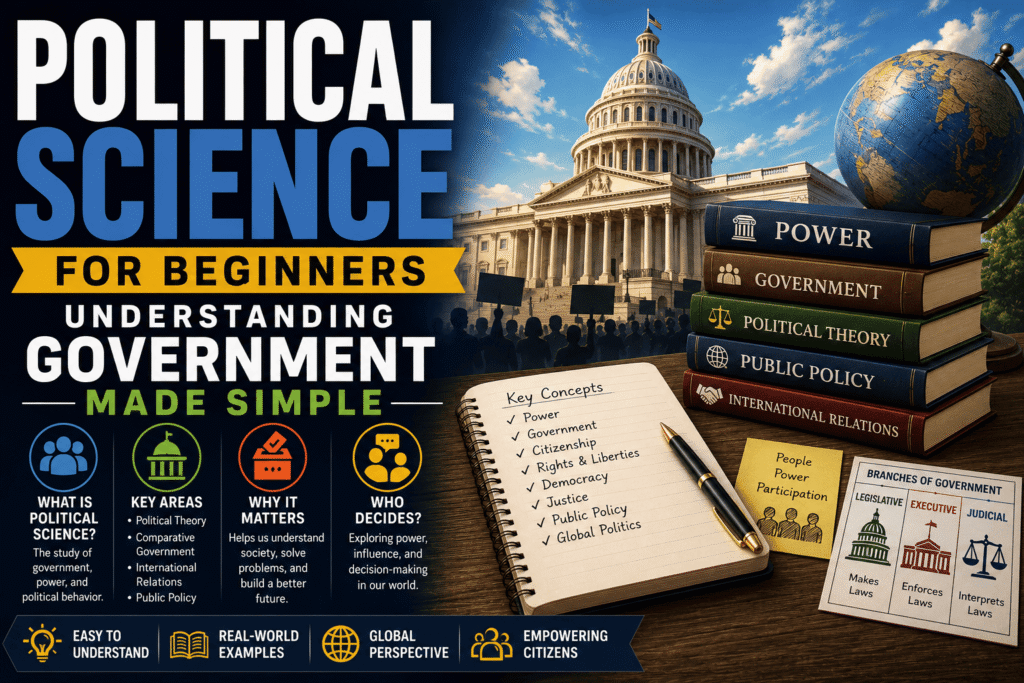
Have you Political science is the systematic study of government, political behavior, and the structures of power that shape societies. It examines topics like political systems, ideologies, public policy, international relations, and the dynamics between citizens and the state. Through empirical research and theoretical analysis, political science seeks to understand how political decisions are made, how power is distributed, and how governance affects human societies. At its core, it asks how communities organize authority, resolve conflict, and pursue collective goals.f
Content Overview
- Introduction to Political Science
- 2. Meaning and Definition of Political Science
- 3. Nature and Scope of Political Science
- 4. Evolution and Historical Development
- 5. Core Concepts of Political Science
- 6. Systems of Governance
- 7. Political Thought and Political Philosophy
- 8. Political Behavior and Political Culture
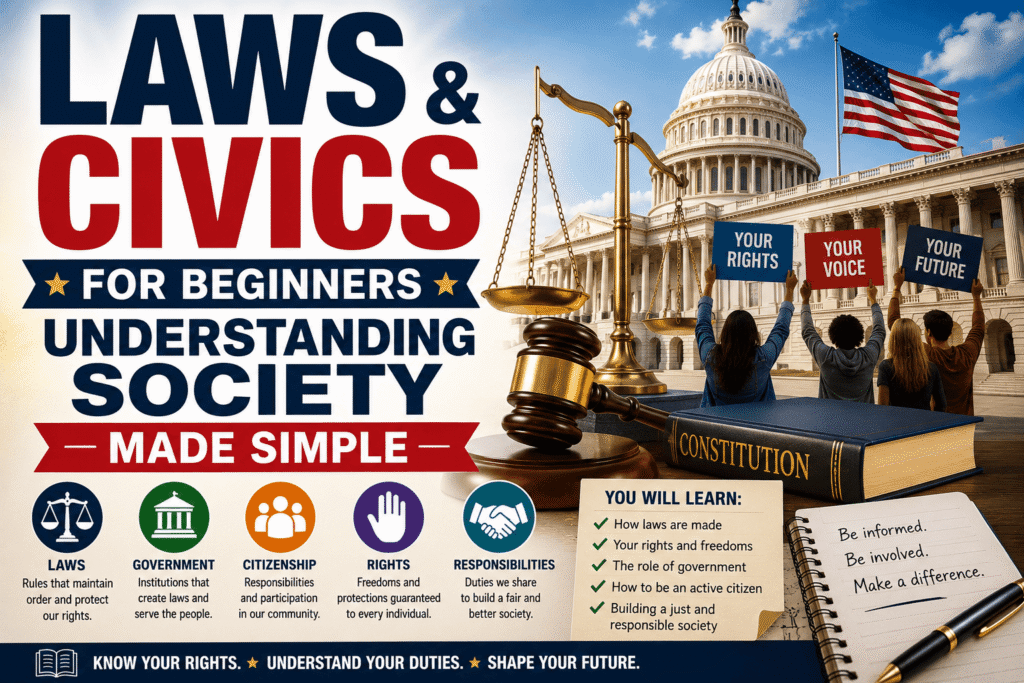
- 9. Constitutions and Laws
- 10. Political Institutions
- 11. Political Processes and Activities
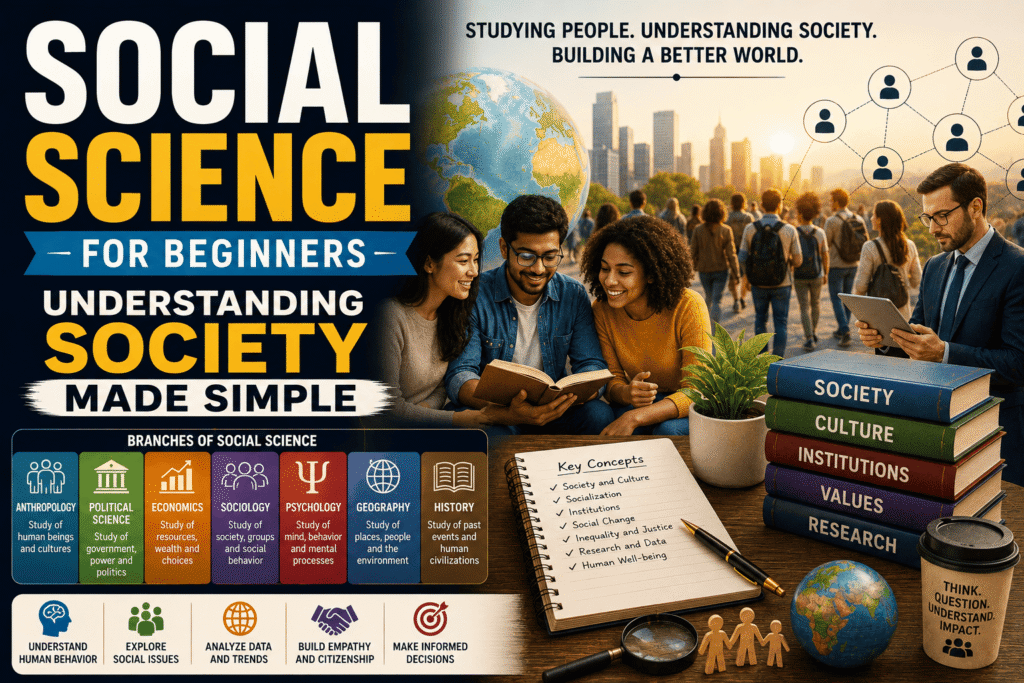
- 12. Political Science as a Social Science
- 13. Modern Approaches and Methodologies
- 14. Role of Political Scientists
- 15. Importance and Applications of Political Science
- 16. Conclusion
- Anthropology
- Education System
- International Relations
Introduction to Political Science
Political Science is a branch of social science that deals with the systematic study of politics, power, and governance. It examines how authority is created, exercised, distributed, and challenged within societies.
At its core, political science seeks to answer fundamental questions such as:
Who holds power?
How is power used?
Why do people obey laws?
How are governments formed and changed?
2. Meaning and Definition of Political Science
The term Political Science is derived from:
Greek word “Polis” meaning city-state
Latin word “Scientia” meaning knowledge
Thus, political science literally means the systematic knowledge of the state and governance.
Standard Definition
Political science is the social scientific study of politics, dealing with:
Systems of governance
Power relations
Political institutions
Political behavior
Constitutions and laws
Example: Studying elections, parliaments, courts, and public policies all fall within political science.
3. Nature and Scope of Political Science
3.1 Nature
Political science is:
A social science
Both theoretical and practical
Normative (what should be)
Empirical (what actually exists)
3.2 Scope
The scope of political science includes:
The State
Government
Political power
Political ideologies
Law and constitution
International relations
Example: Studying democracy in theory and practice.
4. Evolution and Historical Development
4.1 Ancient Period
Plato and Aristotle studied politics as part of philosophy
Aristotle called political science the “Master Science”
4.2 Medieval Period
Focus on divine authority and monarchy
4.3 Modern Period
Separation of politics from religion
Emergence of constitutionalism and democracy
5. Core Concepts of Political Science
5.1 Power
The ability to influence or control others.
Example: Government enforcing laws.
5.2 Authority
Legitimate power recognized by people.
Example: Authority of elected representatives.
5.3 Legitimacy
Public acceptance of authority.
Example: Free and fair elections create legitimacy.
5.4 State
A political organization with:
Territory
Population
Government
Sovereignty
5.5 Government
The machinery through which the state functions.
6. Systems of Governance
Political science studies different systems of governance, such as:
Democracy
Monarchy
Dictatorship
Federalism
Parliamentary and Presidential systems
Example: Pakistan’s parliamentary system.
7. Political Thought and Political Philosophy
Political thought studies ideas of thinkers such as:
Plato
Aristotle
Machiavelli
Hobbes
Locke
Rousseau
Example: Social contract theory.
8. Political Behavior and Political Culture
Political Behavior
The study of how individuals and groups engage in political processes.
Example: Voting behavior.
Political Culture
Beliefs and values shaping political life.
Example: Respect for the constitution.
9. Constitutions and Laws
Political science analyzes:
Written and unwritten constitutions
Fundamental rights
Separation of powers
Rule of law
Example: Constitution of Pakistan, 1973.
10. Political Institutions
Key institutions studied include:
Legislature
Executive
Judiciary
Bureaucracy
11. Political Processes and Activities
Political activities include:
Elections
Political parties
Pressure groups
Public policy making
12. Political Science as a Social Science
Political science uses:
Scientific methods
Data analysis
Surveys
Comparative studies
It interacts with:
Sociology
Economics
Law
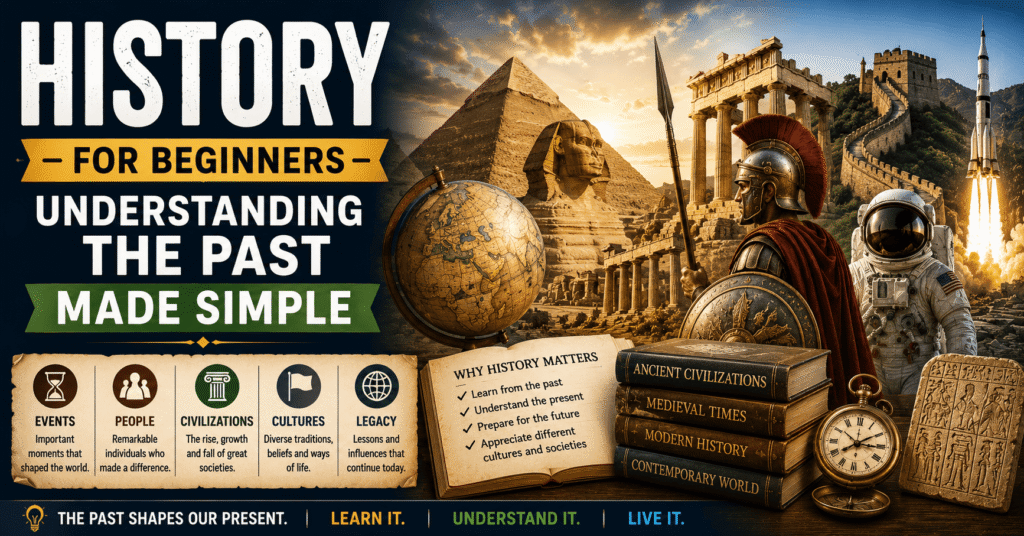
History
13. Modern Approaches and Methodologies
Behavioralism
Systems approach
Institutionalism
Feminist political theory
Postmodernism
14. Role of Political Scientists
Political scientists:
Analyze political systems
Advise governments
Conduct research
Teach political theory
15. Importance and Applications of Political Science
Political science helps:
Strengthen democracy
Improve governance
Protect human rights
Promote political awareness
Example: Policy formulation.
16. Conclusion
Political science is essential for understanding power, governance, and law in modern society. It bridges theory and practice, helping citizens, leaders, and institutions function effectively. As societies grow more complex, political science remains a vital discipline for ensuring justice, stability, and democratic development.