Crash Course · Beginner → Advanced
Social Media Marketing: The Complete Crash Course
Build a social media strategy from goal to report: choose the right platforms, plan content pillars and a calendar, understand how feeds rank posts, grow a community, work with creators, and measure engagement, reach and conversions.
Beginner → Advanced12 min readInterview Q&A
What Is Social Media Marketing?
Organic builds trust and audience over time; paid buys reach quickly (see Paid Ads). Most brands combine both.
Step 1: Goals and Audience
- Set a SMART goal — “Grow website sales from Instagram by 20% in six months”, not “go viral”.
- Define the audience persona: age, job, problems, where they spend time online, what content they enjoy.
- Map to the funnel: awareness (reach), consideration (engagement, clicks), conversion (sales, leads), loyalty (repeat customers, advocacy).
- Study competitors: what formats and topics get them engagement?
Choosing Platforms
| Platform | Strength | Best formats |
|---|---|---|
| Broad adult audience, groups, local business | Pages, groups, video, events | |
| Visual brands, lifestyle, products | Reels, carousels, stories | |
| TikTok | Discovery-driven short video; new accounts can reach many people | Short vertical video, trends |
| YouTube | Search-driven, long-lasting video | Tutorials, reviews, Shorts |
| B2B, professionals, hiring | Text posts, documents, articles | |
| X (Twitter) | News, real-time conversation | Short posts, threads |
| Planning and inspiration searches | Pins linking to websites |
Pick the 1–3 platforms where your audience already is, and do them well.
Content Pillars and the Content Calendar
Content pillars are the 3–5 themes you post about. A finance-education brand might use: quick lessons, myths vs facts, worked examples, career tips and community questions.
- Mix: mostly value (educate, entertain, inspire), a smaller share promotion.
- Calendar: plan date, platform, pillar, format, caption, link and owner a few weeks ahead.
- Repurpose: one long video becomes Shorts, a carousel, a quote graphic and a blog post.
- Consistency beats bursts — a realistic schedule you can keep.
How Social Algorithms Work
Feeds rank posts by predicting what each user will value. Common signals:
- Watch time and completion for video — strong hook in the first 1–3 seconds.
- Shares and saves — signal content worth keeping or passing on.
- Comments and replies — real conversation.
- Relationship — how often the user interacts with you.
- Relevance — topic match with the user’s interests.
Engagement bait (“comment YES”) and buying followers usually hurt reach and trust.
Community Management
- Reply to comments and messages quickly and in a human voice.
- Handle complaints publicly with empathy, then move details to private messages.
- Repost user-generated content (with permission) — real customers build trust.
- Use social listening to track mentions of your brand and competitors.
- Prepare a simple crisis plan: who responds, approval steps, holding statement.
Influencer and Creator Marketing
| Tier | Approx. followers | Typical strength |
|---|---|---|
| Nano | 1K–10K | High trust, niche |
| Micro | 10K–100K | Good engagement and cost balance |
| Macro | 100K–1M | Reach |
| Mega | 1M+ | Mass awareness, high cost |
Choose creators by audience fit and engagement, not follower count. Paid partnerships must be clearly disclosed (e.g. “#ad” or the platform’s paid-partnership label) as advertising rules require.
Metrics and Formulas
| Reach | Unique accounts that saw the post |
| Impressions | Total times it was shown (one person can see it twice) |
| Example | (420 + 35 + 25 + 120) ÷ 12,000 = 600 ÷ 12,000 = 5%. |
| Example | 150 new on 5,000 → 3% for the month. |
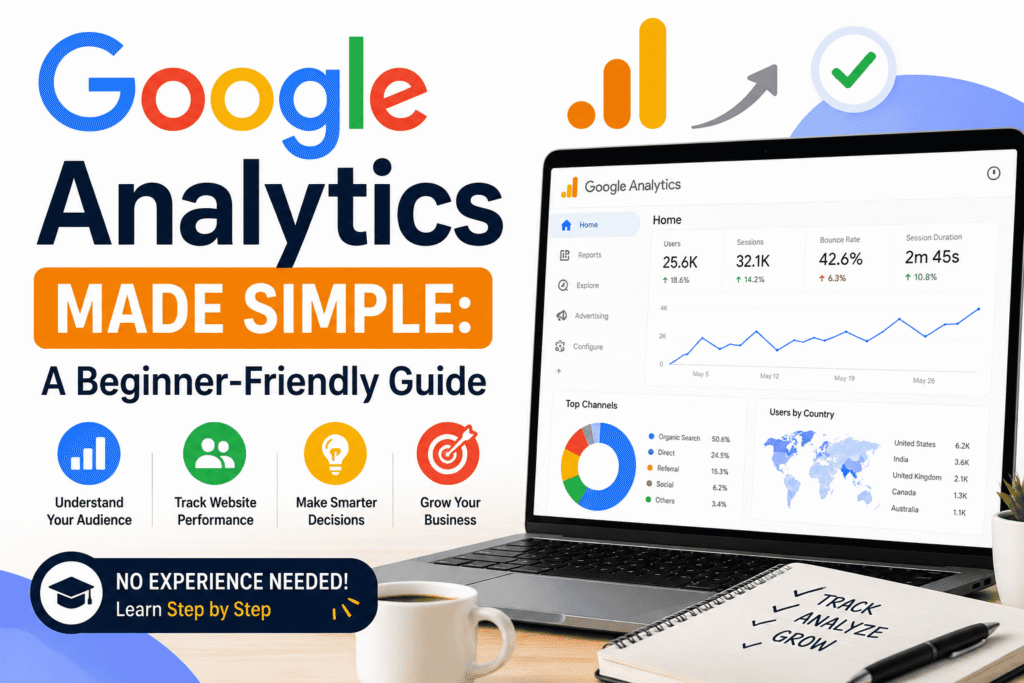
Track link clicks and sales with UTM tags in GA4, and present results in a dashboard.
Tools
- Native tools: Meta Business Suite, TikTok Studio, YouTube Studio, LinkedIn Page analytics.
- Scheduling: Buffer, Hootsuite, Later.
- Design and video: Canva, CapCut, Adobe Express, Premiere Pro.
- Listening: Brandwatch, Sprout Social, Mention.
Key Takeaways
- SMM = organic + paid + community.
- SMART goal and persona first.
- Choose 1–3 platforms where your audience is.
- 3–5 content pillars, a calendar and repurposing.
- Hooks, watch time, shares and saves drive reach.
- Creators: fit over followers, always disclose.
- Engagement rate = interactions ÷ reach.
Interview Questions
What is social media marketing?
Using social platforms to build awareness, engage an audience, drive traffic and generate sales through organic content, paid ads and community management.
What are content pillars?
The 3–5 core themes a brand regularly posts about, which keep content consistent and aligned with audience needs.
What is the difference between reach and impressions?
Reach counts unique accounts that saw content; impressions count every time it was displayed, including repeats.
How do you calculate engagement rate?
Total interactions (likes, comments, shares, saves) divided by reach (or followers), times 100.
How would you choose which platforms to use?
Based on where the target audience spends time, the business goal, the content formats you can produce well and competitor activity.
How do you handle a negative comment publicly?
Respond quickly and politely, acknowledge the issue, offer to help, then move personal details to a private message.
Micro vs macro influencers — which is better?
Micro influencers often have higher engagement and trust at lower cost; macro influencers give more reach. The choice depends on the goal and budget.
How do you prove social media drives sales?
Use UTM-tagged links, platform conversion tracking and analytics to attribute sessions and conversions to social channels.
Exam Quick Revision
- SMM = organic + paid + community.
- SMART goal → persona → platform.
- Pillars: 3–5 themes.
- Hook in first 1–3 seconds.
- Shares & saves = strong signals.
- Reach = unique; impressions = total.
- Engagement rate = interactions ÷ reach.
- Disclose paid partnerships.